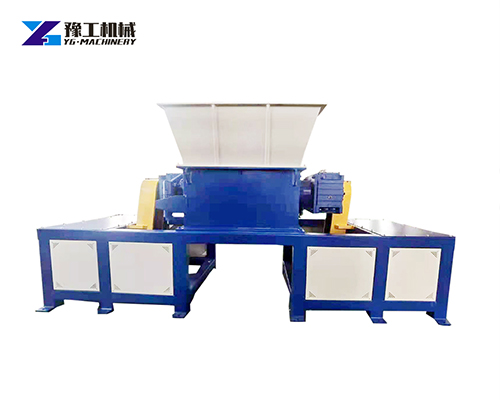
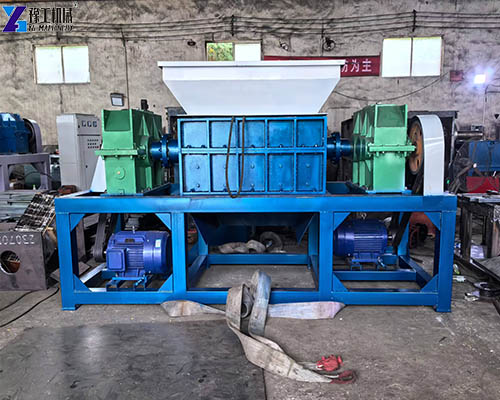
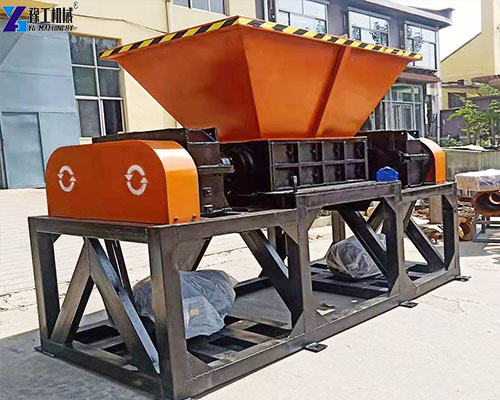
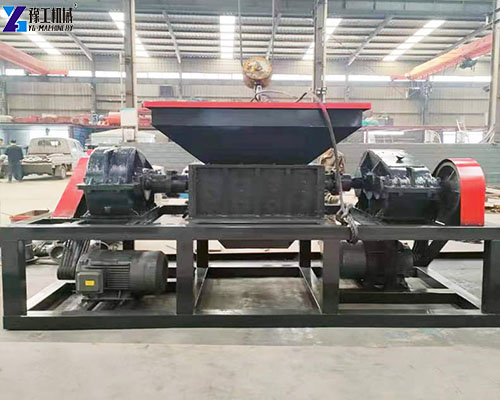
Many overseas recycling plant owners and waste management contractors struggle to pick the right twin shaft shredder machine. The wrong model causes low throughput, frequent blade breakage, and expensive downtime. This buying guide covers all key selection factors, material matching, and model recommendations.
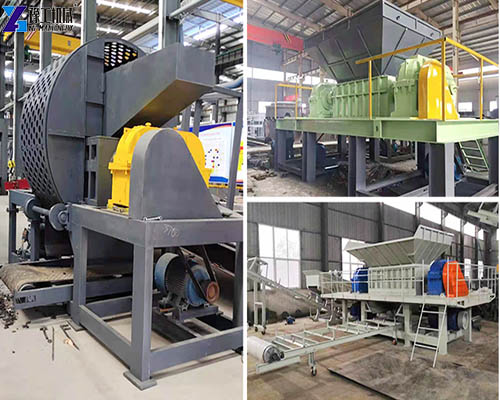
Double Shaft Crusher Key Technical Specifications
| Model | Knife size | Power (KW) | Capacity (T/H) | Knife quantity | Reducer | Machine size (Meter) | Weight (Ton) |
| YG-600 (6-8 teeth) | Φ200*20 | 11*2 | 0.3-0.5 | 30 | 350*2 | 2.612.1 | 2 |
| Φ220*20 | 11*2 | 0.4-1 | 30 | 350*2 | 2.61.12.1 | 2.2 | |
| YG-1000 (6-8 teeth) | Φ300*30 | 30*2 | 1-1.2 | 34 | 400*2 | 3.41.252.2 | 6 |
| Φ300*40 | 37*2 | 1-1.5 | 26 | 500*2 | 3.41.252.2 | 6.3 | |
| Φ400*40 | 37*2 | 1-2 | 26 | 500*2 | 3.41.252.2 | 6.5 | |
| Φ400*50 | 45*2 | 1.5-2.5 | 20 | 650*2 | 3.41.252.2 | 7 | |
| YG-1200 (6-12 teeth) | Φ300*40 | 45*2 | 2.5-3 | 30 | 650*2 | 3.81.252.2 | 8 |
| Φ400*40 | 45*2 | 2.8-3.3 | 30 | 650*2 | 3.81.252.2 | 8.5 | |
| Φ500*40 | 55*2 | 3-3.5 | 30 | 650*2 | 3.81.252.2 | 9 | |
| YG-1500 (6-15 teeth) | Φ300*30 | 55*2 | 3.8-4.5 | 50 | 750*2 | 4.41.52.5 | 11 |
| Φ400*40 | 55*2 | 4-5 | 38 | 750*2 | 4.41.52.5 | 12 | |
| Φ500*50 | 75*2 | 4.5-5.5 | 30 | 750*2 | 4.41.52.5 | 14 | |
| Φ550*50 | 75*2 | 5-6 | 30 | 750*2 | 4.41.52.5 | 16 | |
| YG-1800 (9-18 teeth) | Φ400*40 | 90*2 | 6-7 | 45 | Zsy355*2 | 5.32.12.8 | 17 |
| Φ550*50 | 90*2 | 7.5-8.5 | 36 | Zsy355*2 | 5.32.12.8 | 18 | |
| Φ600*60 | 90*2 | 9-10 | 30 | Zsy400*2 | 5.32.12.8 | 19 | |
| YG-2000 (9-18 teeth) | Φ550*50 | 110*2 | 10-13 | 40 | Zsy400*2 | 62.23.5 | 22 |
| Φ600*60 | 110*2 | 12-16 | 34 | Zsy450*2 | 62.23.5 | 23 | |
| Φ650*60 | 110*2 | 15-20 | 34 | Zsy450*2 | 62.23.5 | 25 |
Dual Shaft Shredder for Sale Selection Step 1
Before you pick any double shaft crusher, check your material type and volume first. This saves you from costly mistakes.
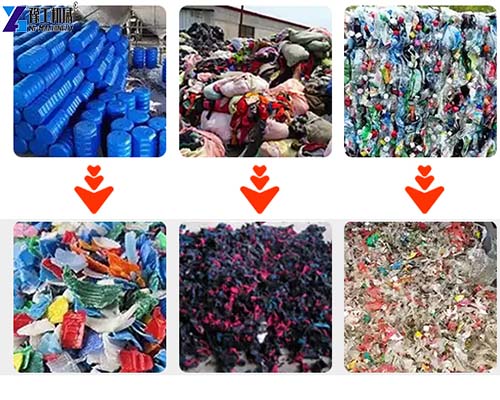
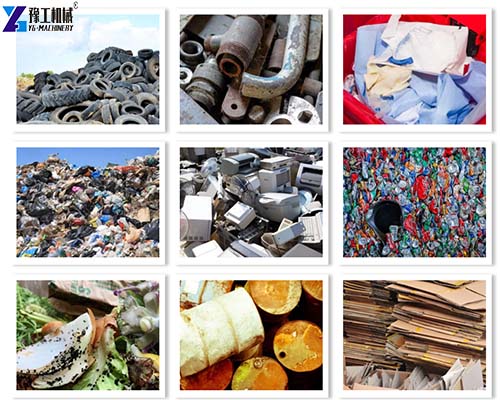
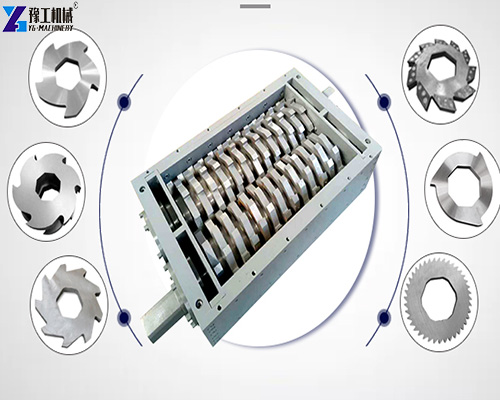
① Material type to shred – Is it soft material (rubber, fiber, paper, PET bottles)? Or hard material (wood, electronic waste, circuit boards, metal, plastic drums)? Different materials need different blade materials and knife sizes.
② Processing capacity required – How many tons per hour do you need? Capacity ranges from 0.3 T/H (YG-600) to 20 T/H (YG-2000). Match capacity to your daily processing volume.
③ Material size and shape – Large lump materials, pipes, bales, or tires need larger feed inlets and more powerful motors.
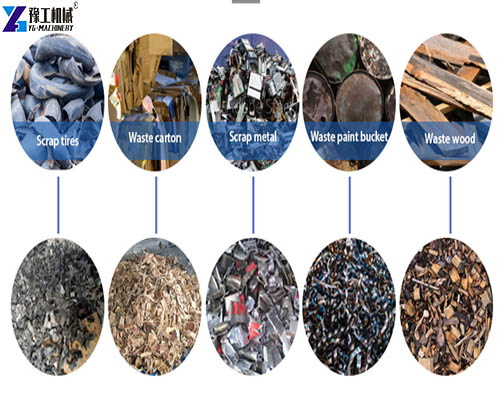
④ Output size requirement – Do you need coarse shredding for direct recycling or fine shredding for further processing? Blade size and knife configuration determine output size.
Get Professional Selection Advice
Match Two Shaft Shredder Model With Global Working Scenarios
1. European Waste Recycling Center – Mixed Municipal Waste
Scene: Large-scale recycling facility processing household waste, plastics, paper, and textiles. Strict environmental regulations.
Pain point of old solution: Single-shaft crushers lack torque for mixed materials. Standard shredders produce dust and noise complaints.
Recommended model & benefits: YG-1200 machine – 45-55Kw×2 power, 2.5-3.5 T/H capacity. PLC automatic control with overload protection. Low noise, dust meets EU standards.
2. Middle East Plastic Recycling Plant
Scene: Recycling PET bottles, plastic containers, and film. High temperatures, dusty environment.
Pain point of old solution: Standard shredders overheat. Blades dull quickly on hard plastics.
Recommended model & benefits: YG-1000 twin shaft shredder machine with Cr12MoV blades – 30-45Kw×2 power, 1-2.5 T/H. Heat-resistant design. Blades last longer on hard plastics.
3. Southeast Asian Wood Processing Facility
Scene: Recycling wood pallets, furniture waste, and lumber scraps. High humidity, tropical climate.
Pain point of old solution: Standard crushers jam with large wood pieces. Blades break on nails and metal fittings.
Recommended model & benefits: YG-1500 dual shaft shredder for sale with SKD-11 blades – 55-75Kw×2 power, 3.8-6 T/H. Heavy-duty design handles nails and metal. 50 blades for uniform output size.
4. North American Tire Recycling Plant
Scene: Processing scrap tires and rubber waste into crumb rubber for reuse. High production volume.
Pain point of old solution: Tire shredding wears blades fast. Standard machines struggle with steel belts in tires.
Recommended model & benefits: YG-1800 machine – 90Kw×2 power, 6-10 T/H. Special 9CrSi blades for rubber. 30-45 blades per shaft. Handles steel belts without damage.
5. African Electronic Waste Recycling
Scene: Processing circuit boards, e-waste, and cables for precious metal recovery. Mixed material with metal and plastic.
Pain point of old solution: Standard shredders jam on circuit boards. Dust and hazardous materials escape.
Recommended model & benefits: YG-1200 twin shaft shredder machine with sealed design – 45-55Kw×2 power. Enclosed shredding chamber prevents dust release. Low speed, high torque prevents jamming.
6. Latin American Metal Scrap Recycling
Scene: Shredding metal drums, aluminum scrap, and light metal waste. Industrial recycling operation.
Pain point of old solution: Standard shredders can’t handle metal drums. Blades chip on hard metal.
Recommended model & benefits: YG-2000 machine with SKD-11 blades – 110Kw×2 power, 10-20 T/H. Largest model for heavy-duty metal shredding. 34-40 blades per shaft.
7. Chinese Industrial Waste – Chemical Drums and Containers
Scene: Processing used chemical drums, plastic buckets, and industrial containers. Requires safe, contained operation.
Pain point of old solution: Manually crushing drums is dangerous. Standard shredders leak residual liquids.
Recommended model & benefits: YG-1500 machine with sealed bearings – 55-75Kw×2 power. Liquid-tight design prevents leakage. Low-speed operation reduces spill risk.
Find The Right Solution For Your Job
Common Buying Mistakes Overseas Buyers Always Make
Mistake 1: Choose the wrong blade material for your material type
Using 9CrSi on hardwood or metal causes blade chipping. Using SKD-11 on soft rubber wastes money. Correct approach: Tell your supplier your material type and let them recommend the right blade alloy.
Mistake 2: Ignore capacity vs. actual daily volume
Buying a twin shaft shredder machine with too low capacity causes backlog. Too high capacity wastes investment. Correct approach: Calculate your daily processing volume and add a 20% margin.
Mistake 3: Neglecting blade and wear parts supply
Blades wear out depending on material. Rubber tires: 3-4 years. Hard materials: much shorter. In overseas markets, replacement parts take weeks. Correct approach: Order spare blade sets with your initial purchase.
Mistake 4: Ignore machine footprint and workshop space
Machine size ranges from 2.6×1×2.1m (YG-600) to 6×2.2×3.5m (YG-2000). Correct approach: Measure your space and access routes before ordering.
Mistake 5: Forget about power source compatibility
A standard twin-shaft shredder machine uses electric motors. Some remote sites need diesel power. Correct approach: Tell your supplier if you need a diesel-powered option.
Get Your Project‑Specific Quote
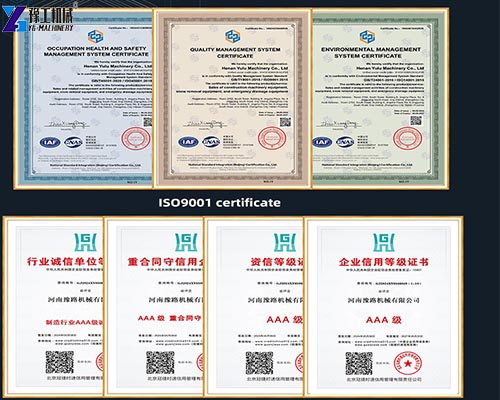
YG Company’s Global After-Sales & Export Support Reference
Overseas buyers worry about support more than local buyers. Here is what we provide:
| Support Item | Details |
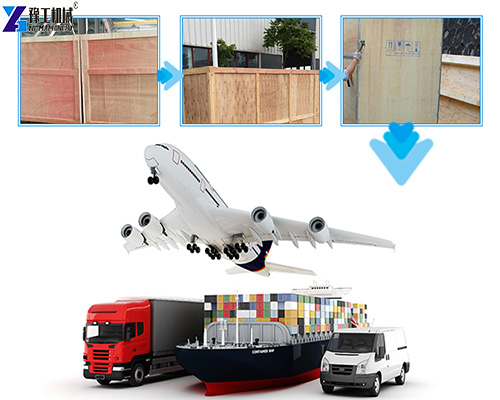
| Packaging | Standard export packaging, moisture-proof & rust-proof for sea transport |
| Remote support | English video technical support, 7 days/week, 12 hours/day |
| Spare parts | Fast delivery from overseas warehouse |
| On-site training | Optional overseas engineer on-site training for large projects |
Send Your Project Details to Our Engineer
Tell us: material type, required capacity (T/H), working country, and site conditions. Our engineer will recommend the most suitable twin shaft shredder machine model for you.
Phone / WhatsApp / WeChat: +86 159 3715 3321