When working on tunnels, roads, foundations, demolition projects, or rock excavation, choosing the right attachment can directly affect construction efficiency and precision.
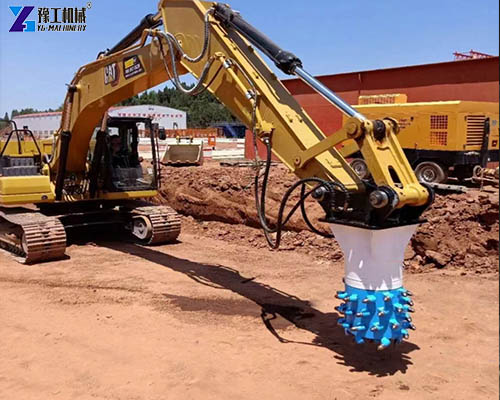
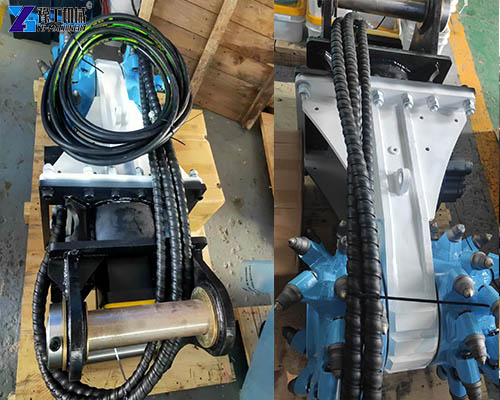
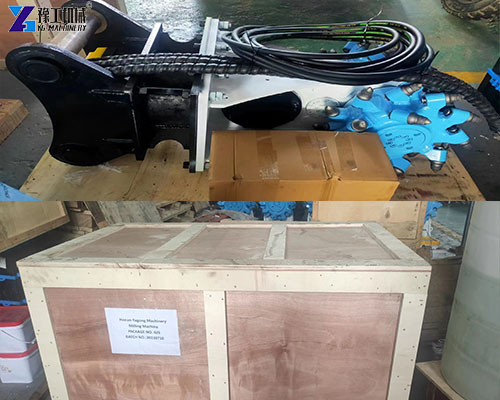
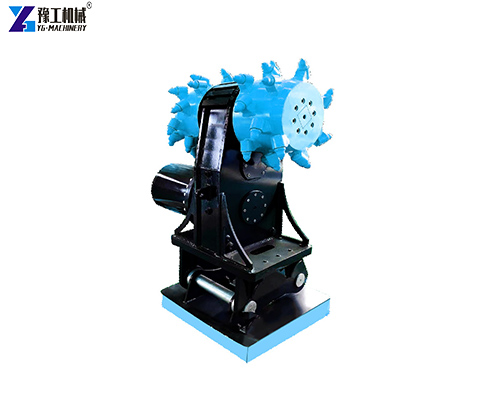
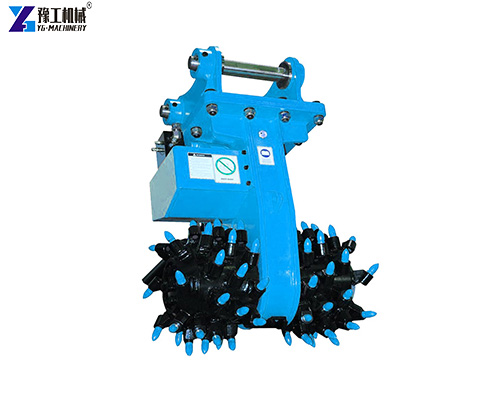
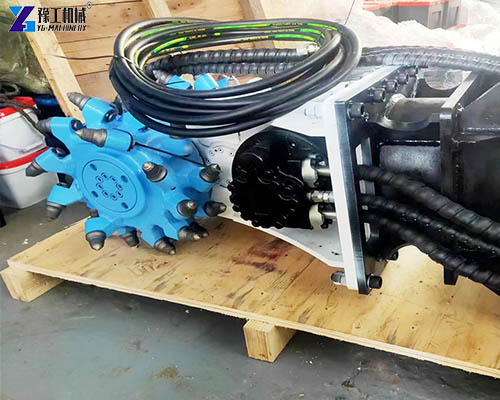
Rock drum cutter is a hydraulic attachment designed for controlled milling and cutting of hard materials. Compared with traditional excavation methods, it provides a more precise working method for projects that require rock shaping, surface correction, or material removal.
However, selecting the correct drum cutter is not only about cutter size. Operators also need to consider excavator weight, hydraulic flow, pressure requirements, torque output, and the specific working environment.
This guide explains how a drum cutter works, what specifications matter, and how to choose the right model for different excavator applications.
Get Professional Selection Advice
Rock Drum Cutter Technical Parameters
Before selecting a rock drum cutter, understanding the technical specifications is essential.
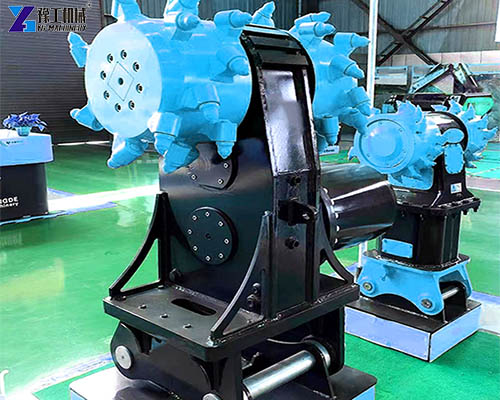
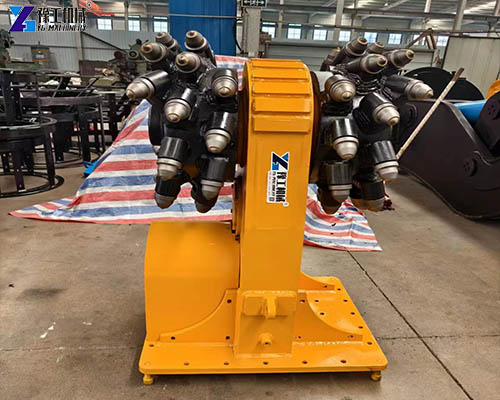
Different projects require different cutting capacities. The YGM series provides multiple models designed for excavators from small machines to large heavy-duty equipment. Hydraulic drum cutters can be mounted on various excavators and are commonly divided into horizontal and vertical types.
| Model Range | Excavator Class | Weight Range |
| YGM 140 | 3-8T | 200 KG |
| YGM 160-YGM 210S | 10-25T | 600 KG |
| YGM 240-YGM 280 | 20-30T | 1600-1650 KG |
| YGM 350-YGM 400 | 30-60T | 1700-2600 KG |
| YGM 800-YGM 1250 | 80-160T | 5100-6000 KG |
The product range covers different construction requirements, from compact excavators to large mining equipment.


Key Specifications to Consider
1. Hydraulic Flow and Pressure
Hydraulic flow determines whether the excavator can provide enough power for the attachment.
The YGM series covers different flow requirements, from 40L/min to 2700L/min depending on the model. Rated pressure ranges from 25MPa to 35MPa, while maximum pressure can reach up to 45MPa on larger models.
2. Torque Output
Torque affects the cutting ability when working with hard materials.
Different models provide maximum torque from 3000 N · m to 121400 Nm, allowing users to select equipment according to excavation difficulty and excavator size.
3. Cutter Head Design
The cutter head quantity varies depending on the model.
The available configurations range from 22 cutter heads on smaller models to 84 cutter heads on larger models.


Receive Detailed Parameter List
How Does a Rock Drum Cutter Work?
Rock drum cutter works by using hydraulic power from an excavator to drive rotating cutter drums equipped with cutting tools.
The hydraulic motor transfers power to the drum head, creating rotary cutting movement. As the drum rotates, the cutters gradually remove material from the working surface.
Compared with impact-based excavation methods, drum cutting provides a controlled milling process.
The main working steps include:
- The excavator supplies hydraulic power.
- The hydraulic motor drives the rotating cutter head.
- The cutter teeth contact the rock or material surface.
- The attachment removes material through continuous milling.
This makes drum cutters suitable for applications where accuracy and surface control are important.


Excavator Drum Cutter Selection Guide
An excavator drum cutter must be matched correctly with the carrier excavator.
Choosing a model that is too small may reduce productivity, while selecting an oversized attachment may exceed the excavator’s hydraulic capacity.
Before purchasing, consider:
1. Excavator Weight Class
Excavator compatibility is one of the most important factors.
The YGM series covers excavator classes from 3-8 tons to 120-160 tons, allowing users to select models according to machine size.
2. Hydraulic System Capability
Check:
- Hydraulic flow
- Working pressure
- Maximum pressure
The attachment must match the excavator hydraulic system to achieve stable performance.
3. Material Hardness
Different materials require different cutting forces.
Rock excavation, tunnel correction, road milling, and frozen soil cutting may require different torque levels and cutter configurations.
4. Working Environment
A tunnel project may require different equipment compared with open-pit mining or road construction.
The correct attachment depends on both material conditions and project requirements.


Get Your Project‑Specific Quote
Hydraulic Drum Cutter Applications in Different Industries
A hydraulic drum cutter is widely used in construction and excavation fields where controlled cutting is required.
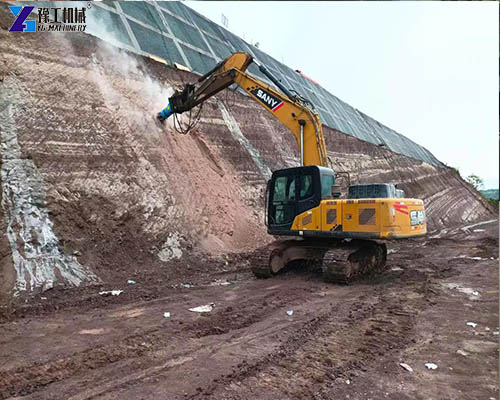
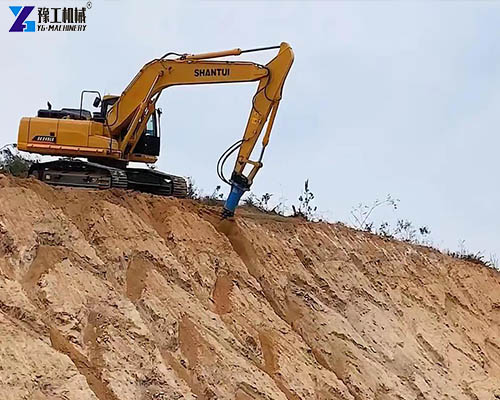
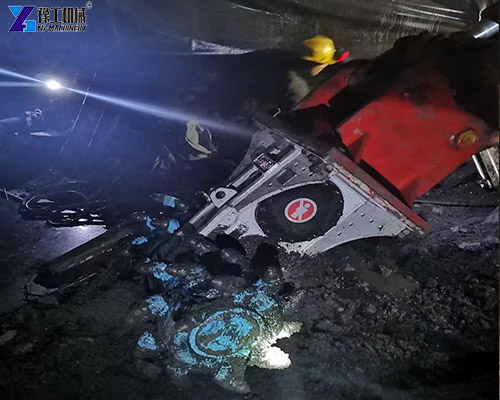
The main applications include coal mine exploration, tunnel excavation, road milling, and other excavation projects.
1. Tunnel Construction and Repair
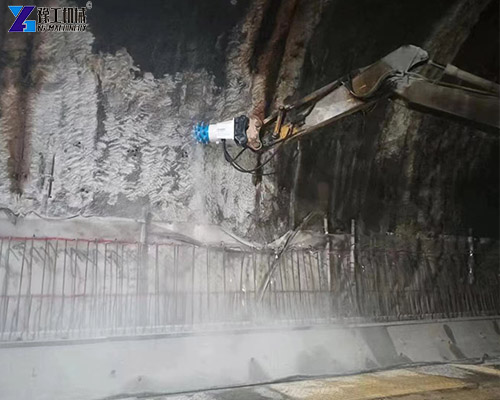
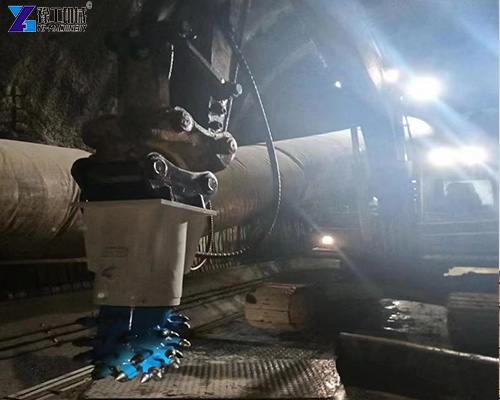
Drum cutters are commonly used for tunnel excavation, tunnel enlargement, and contour correction.
Their controlled cutting ability helps operators achieve more accurate profiles.
2. Foundation Construction
In special foundation projects, drum cutters can be used for material removal and ground preparation.
3. Building Demolition
For certain demolition projects, controlled cutting can help remove concrete and other materials in specific areas.
4. Road Milling
Road construction projects may use drum cutters for asphalt concrete milling and surface modification.
5. Mining and Rock Excavation
Open-pit coal mining, rock cutting, and frozen soil excavation are also suitable application areas.


Share Your Site Conditions With Us
Rotary Drum Cutter vs Traditional Excavation Tools
A rotary drum cutter provides a different working method compared with traditional excavation attachments.
| Feature | Drum Cutter | Traditional Impact Tools |
| Working method | Rotary milling | Impact breaking |
| Surface control | Precise cutting | More aggressive breaking |
| Application | Rock shaping, tunneling, milling | General breaking |
| Material removal | Controlled removal | Impact-based removal |
For projects requiring accuracy, reduced vibration, and controlled material removal, drum cutters can be an effective attachment option.
How to Choose the Right Rock Drum Cutter
Before purchasing a drum cutter, review these questions:
1. What excavator will be used?
Match the attachment with excavator weight and hydraulic capability.
2. What material needs to be cut?
Consider whether the project involves rock, concrete, asphalt, frozen soil, or other materials.
3. What level of precision is required?
Tunnel finishing and contour correction may require more controlled cutting.
4. What is the project environment?
Mining, road construction, demolition, and foundation work may require different configurations.
Find The Right Solution For Your Job
Final Guide to Selecting a Rock Drum Cutter
Choosing the right rock drum cutter requires balancing excavator compatibility, hydraulic requirements, torque, cutter configuration, and application conditions.
The YGM series provides multiple options for excavators ranging from 3-8 tons to 120-160 tons, with different flow rates, pressure levels, torque outputs, and cutter head configurations.
Whether the project involves tunnel construction, road milling, mining exploration, foundation work, or demolition, selecting the correct attachment model is the key to achieving efficient and precise cutting performance.
Contact our engineering team to choose the suitable drum cutter model for your excavator and project requirements.