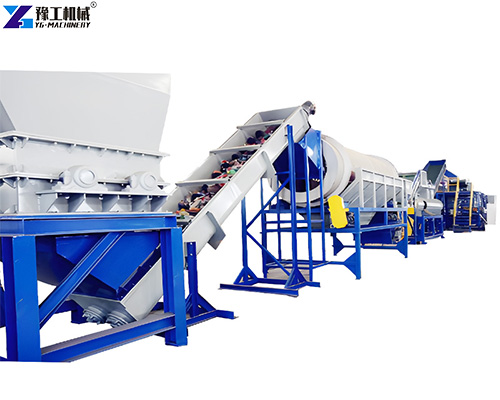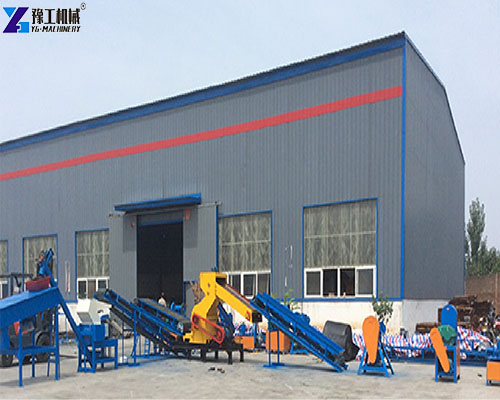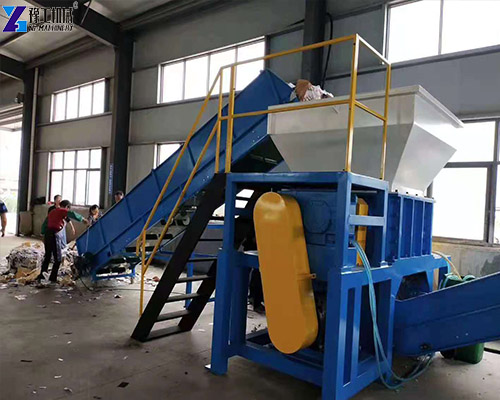
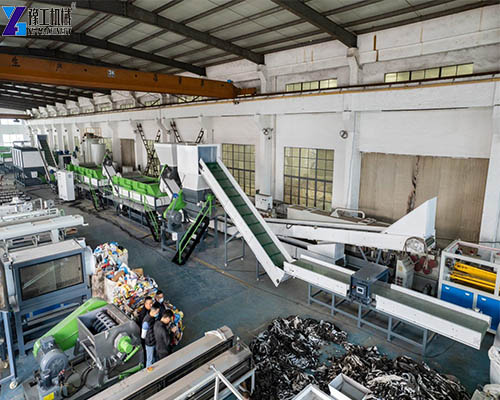
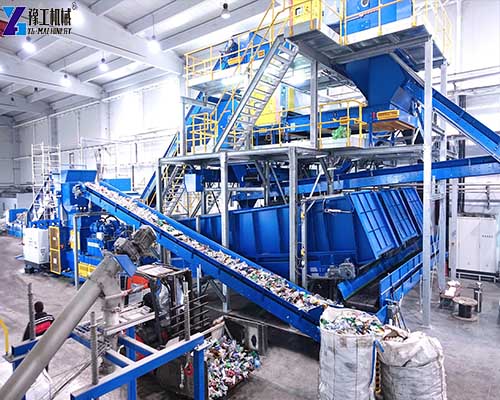
PET bottles can be processed into recycled plastic flakes for further use. But different recycling projects have different processing volumes, workshop sizes, labor requirements, and final product quality targets.
A smaller operation may need a lower-capacity system. A larger recycling plant may require higher throughput and a larger workshop.
The right PET bottle recycling line should therefore be selected according to the actual production requirements and available working conditions.
Which situation is closest to the project?
Get Professional Selection Advice
“I Need a PET Recycling Line for a Smaller Processing Capacity”
Some recycling projects do not need a large production system.
For these operations, the main specifications to consider are:
- Processing capacity
- Workshop size
- Number of workers
- Water supply
- Final product quality
The available models cover capacities from 300 kg/h to 2000 kg/h. The 300 kg/h configuration requires a workshop of about 40 m × 7.5 m × 6 m and 3–4 workers.
The 500 kg/h model requires about 42 m × 10 m × 6 m and 5–6 workers, while the 1000 kg/h and 2000 kg/h configurations require larger workshops and more workers.
For a smaller recycling operation, capacity should be matched with the expected bottle volume rather than simply selecting the largest available model.
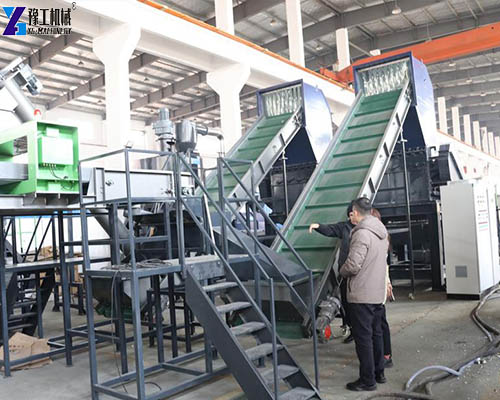
YG PET bottle recycling line also needs enough installation space for the complete processing system, so workshop dimensions should be checked at the beginning of model selection.
Find The Right Solution For Your Job
“I Need a PET Flakes Washing Machine for Better Final Product Quality”
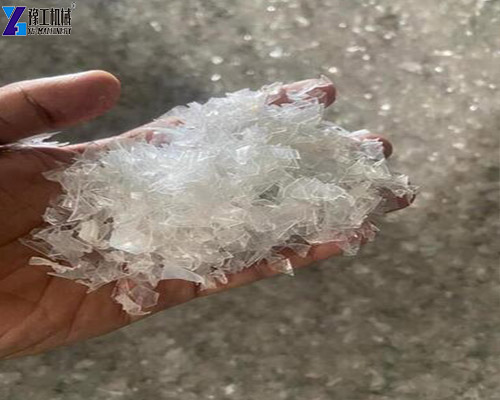
For PET recycling projects, final material quality can be an important selection factor.
The available pet bottle recycling line is designed around defined final product requirements. The listed specifications include:
- Moisture: maximum 1%
- Scrap size: 10–18 mm
- Metal content: maximum 20 ppm
- Total impurity: 100–320 ppm
These specifications provide measurable targets for evaluating the finished recycled material.
YG pet flakes washing machine can therefore be considered as part of a PET bottle processing system when the project focuses on producing washed PET flakes with controlled moisture and impurity levels.
The required final material specification should be confirmed before selecting the equipment configuration.
“I Need Higher Capacity for a Larger PET Bottle Recycling Project”
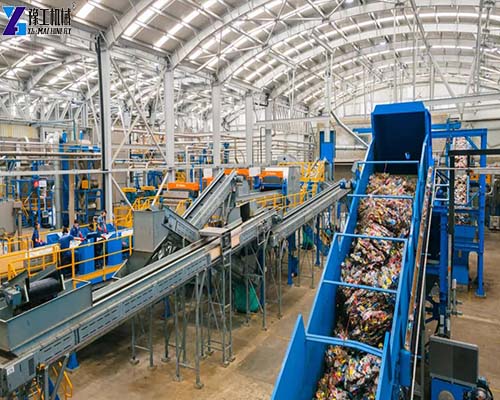
Large recycling plants may need to process a higher volume of PET bottles within the same working period.
In this situation, capacity becomes one of the first specifications to check.
The available configurations include:
| Capacity | Workshop | Needed Workers | Recycled Water Supply |
| 300 kg/h | 40 m × 7.5 m × 6 m | 3–4 | 2–3 t/h |
| 500 kg/h | 42 m × 10 m × 6 m | 5–6 | 3–5 t/h |
| 1000 kg/h | 70 m × 12 m × 6 m | 7–8 | 7–10 t/h |
| 2000 kg/h | 80 m × 15 m × 6 m | 10–12 | 10–15 t/h |
The capacity increases from 300 kg/h to 2000 kg/h, but the required workshop size, labor, and recycled water supply also increase.
For a high-volume project, a PET recycling line should therefore be evaluated as a complete production system.
Capacity alone is not enough. The workshop needs to accommodate the equipment, while the available labor and water supply should also match the selected configuration.
Receive Detailed Parameter List
“I Have Limited Workshop Space and Need to Match the Plastic Recycling Line”
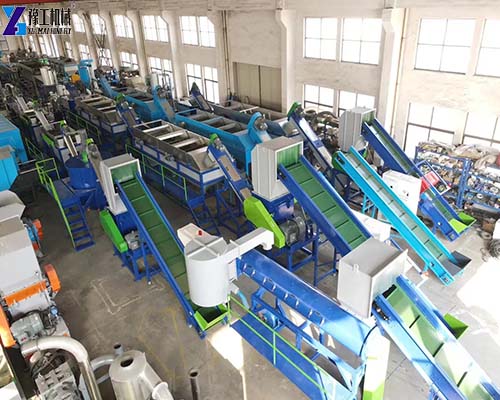
Workshop planning can become a key issue when the available production area is limited.
The listed workshop requirements range from approximately 40 m × 7.5 m × 6 m for the 300 kg/h configuration to 80 m × 15 m × 6 m for the 2000 kg/h configuration.
This creates several points to check:
- Available workshop length
- Available workshop width
- Available workshop height
- Required production capacity
- Space for the complete processing system
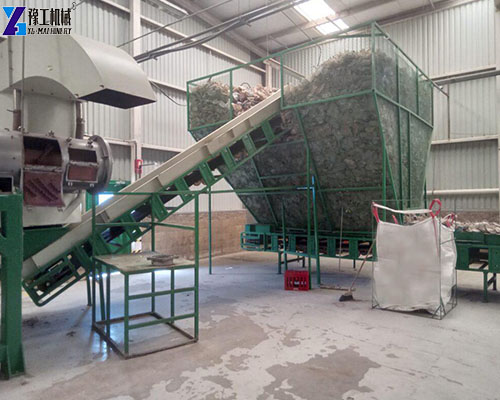
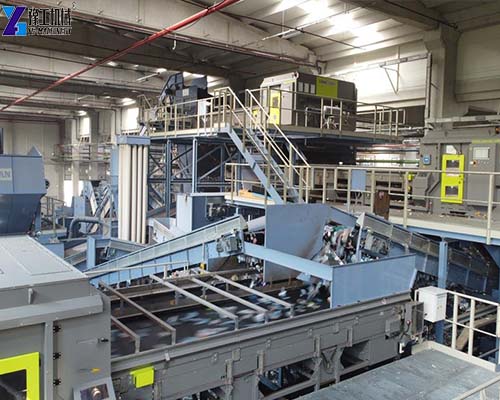
YG pet bottle recycling line with higher capacity generally requires a larger installation area.
For projects with limited workshop space, the available floor area should therefore be compared with the required equipment layout before confirming the model.
This approach can help avoid selecting a production capacity that does not match the actual installation conditions.
Find The Right Solution For Your Job
Still Not Sure Which PET Bottle Recycling Line Fits the Project?
Four questions can quickly narrow the selection:
| Project Question | Specification to Check |
| How much PET material needs to be processed? | Capacity |
| How much workshop space is available? | Workshop dimensions |
| How many workers are available? | Needed workers |
| What quality is required for the finished flakes? | Moisture, scrap size, metal and impurity content |
The available configurations range from 300 kg/h to 2000 kg/h. Workshop requirements increase from 40 m × 7.5 m × 6 m to 80 m × 15 m × 6 m, while the listed worker requirement increases from 3–4 people to 10–12 people.
The water supply requirement also varies by capacity, from 2–3 t/h for the 300 kg/h configuration to 10–15 t/h for the 2000 kg/h configuration.
Once the required capacity, workshop size, available labor, water supply, and final product quality are clear, the suitable PET bottle recycling line becomes easier to identify.
If more detailed specifications, process configuration, or model recommendations are required, please contact us for further information.
Phone / WhatsApp / WeChat: +86 159 3715 3321
Email: admin@ygdemolition.com