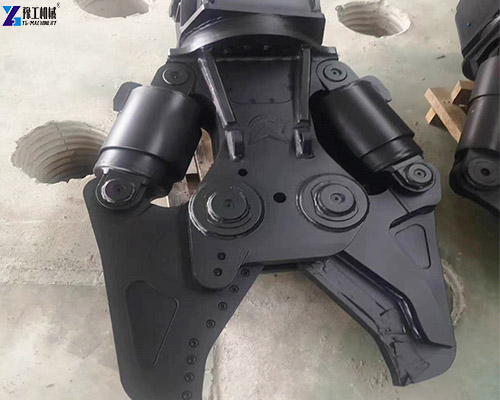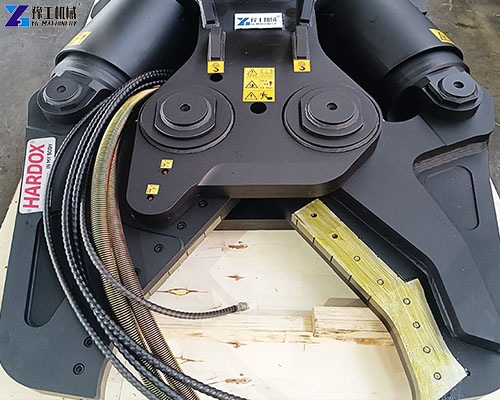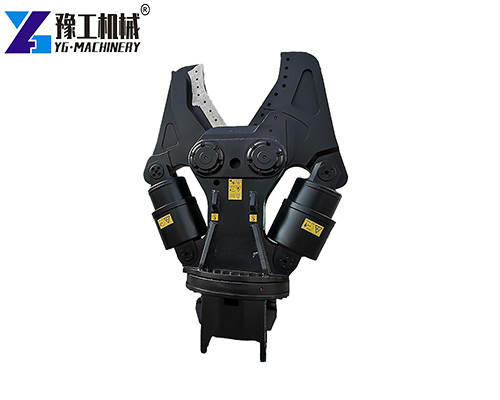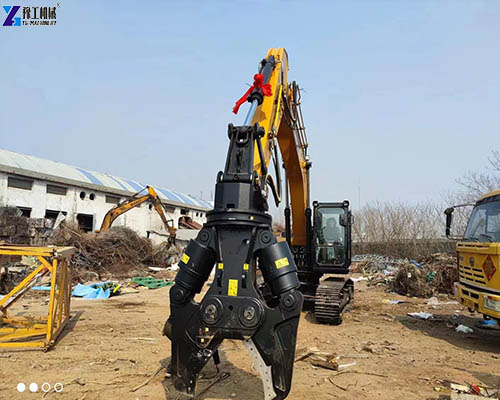
What is a hydraulic shears for excavator?
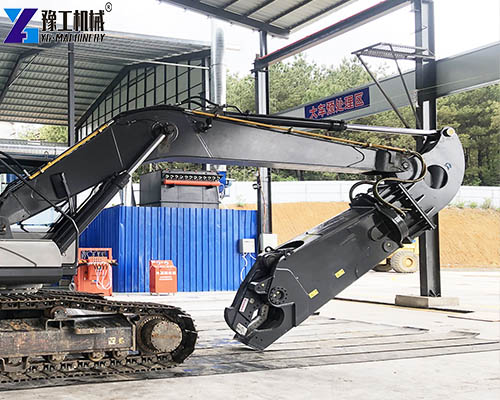
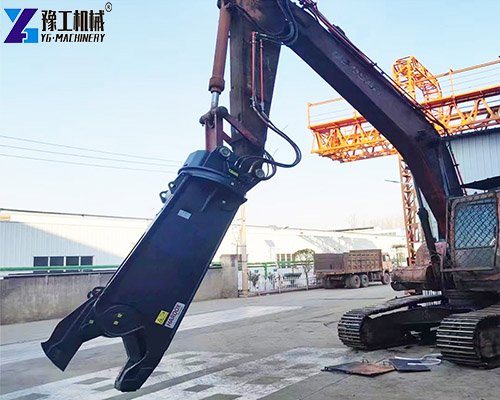
Think of it as a giant pair of scissors for steel. The jaws open wide—up to 950mm on the largest models—grip the steel, and close with enormous hydraulic force. The upper jaw holds the material while the lower jaw shears through it.
The “eagle” name comes from the distinctive shape: a curved upper jaw resembling an eagle’s beak, with a straight lower jaw or blade. This design provides both crushing grip and clean shearing action.
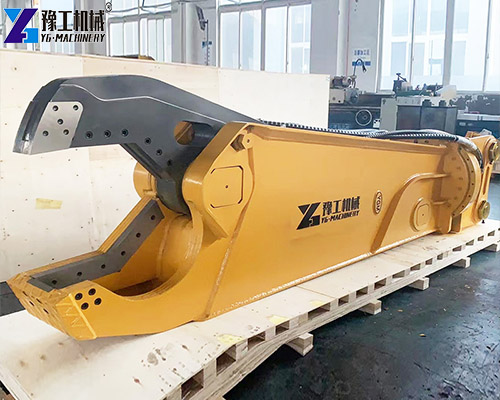
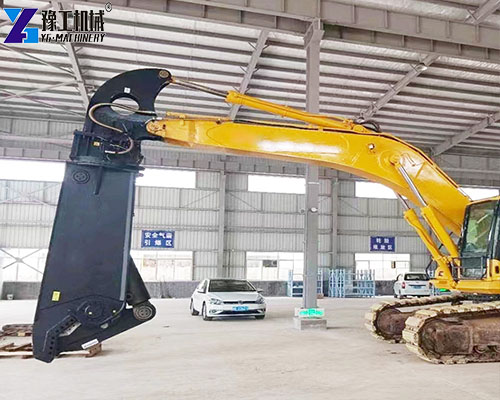
What makes an excavator eagle shear different from a car dismantler?
- Wider opening — up to 950mm vs. 740mm on a dismantler
- Longer cutting depth — shears deeper into the material
- Stronger shear force — handles structural steel, beams, and heavy section steel
- More weight and power — built for continuous scrap processing
Where do people use hydraulic shears for excavator?
- Scrap metal recycling yards
- Structural steel demolition and processing
- Steel service centers preparing scrap
- Automotive and white goods recycling
- Bridge and infrastructure demolition
- Construction site steel waste processing
And the excavator eagle shear is the same category—the name varies by region. Some call it “eagle shear,” others “cutter shear” or “demolition shear.” The function is identical: grip, shear, size, sort.
Get Professional Selection Advice
The Big Picture: Full Range Models
We manufacture 10 models covering excavators from 13 tons to 110 tons. Here’s how they line up:
| Item/Model | Unit | YG180RT | YG280RT | YG330RT | YG380RT | YG430RT | YG480RT | YG580RT | YG780RT | YG980RT |
| Arm Installation | ton | 13–17 | 18–27 | 25–35 | 28–39 | 40–50 | 42–50 | 51–65 | 68–90 | 91–110 |
| Boom Installation | ton | 10–12 | 14–18 | 20–28 | 20–28 | 28–39 | 28–39 | 40–50 | 51–65 | 66–90 |
| Working Pressure | bar | 250–300 | 250–300 | 300–320 | 320–350 | 320–350 | 320–350 | 320–350 | 320–350 | 320–350 |
| Working Flow | lpm | 90–110 | 180–220 | 200–250 | 200–250 | 250–300 | 250–300 | 275–375 | 500–600 | 600–700 |
| Weight | kg | 1100 | 2100 | 3000 | 3500 | 4500 | 4600 | 5800 | 7800 | 9800 |
| Rotating Flow | lpm | 30–40 | 30–40 | 30–40 | 30–40 | 30–40 | 30–40 | 30–40 | 50–60 | 55–65 |
| Rotating Pressure | bar | 90–100 | 100–115 | 100–115 | 100–115 | 100–115 | 100–115 | 100–115 | 140–150 | 170–190 |
| Opening | mm | 375 | 485 | 595 | 620 | 700 | 740 | 780 | 860 | 950 |
| Cutting Depth | mm | 395 | 525 | 630 | 600 | 720 | 750 | 780 | 850 | 940 |
| Length | mm | 2100 | 2700 | 3200 | 3280 | 3700 | 3800 | 4000 | 4300 | 4600 |
Receive Detailed Parameter List
What to Look For in Hydraulic Shears For Excavator?
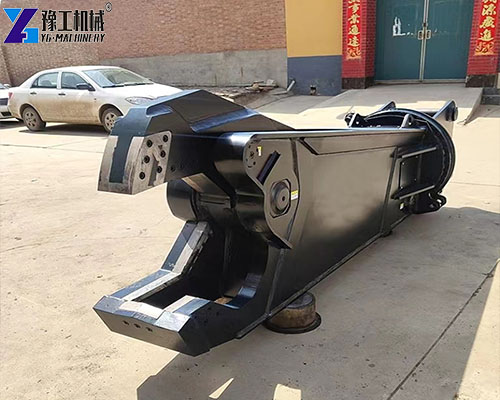
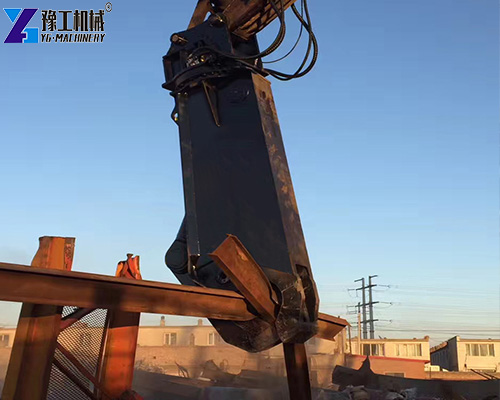
Quality differences show up in daily use. Here’s what separates durable machines from constant repair headaches.
What to Avoid in Cheap Shears
- Thin jaw steel. Structural steel is heavy. Cheap shears use thin plate that flexes, bends, or cracks under load. Your cuts become misaligned, and the shear loses effectiveness.
- Soft blades. Shear blades wear down fast. Instead of lasting months between sharpenings, they last weeks. More downtime, more maintenance costs.
- Weak pivot pins. The pivot point takes the full shear force. Cheap pins wear out of round, develop play, and cause misaligned cuts. Replacement involves dismantling the entire jaw.
- Low-grade cylinder seals. Hydraulic oil leaks from the cylinder. The shear loses clamping force. You work slower, and you’re constantly topping up fluid.
- Undersized rotation motor. The shear rotates 360°. Cheap rotation motors overheat, lose torque, or fail. Then you’re manually repositioning the shear for every cut.
- Fixed blades (non-replaceable). When the blades wear, you replace the entire jaw, not just the blade. Huge operating cost.
Quality Indicators
- Heavy-duty jaw construction. High-tensile steel plate, reinforced at stress points. The jaw stays aligned under maximum shear force.
- Replaceable, hardened blades. High-grade steel, through-hardened, with reversible cutting edges. When they dull, you flip or replace them—not the whole jaw.
- Oversized, heat-treated pivot pins. Greaseable, replaceable, and built to handle full rated force. The jaw stays tight and true.
- Powerful rotation motor. Smooth 360° rotation, even under load. Fast, accurate positioning.
Get Professional Selection Advice
Common Mistakes Buyers Make
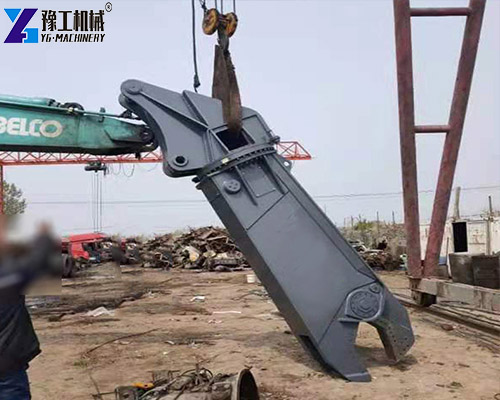
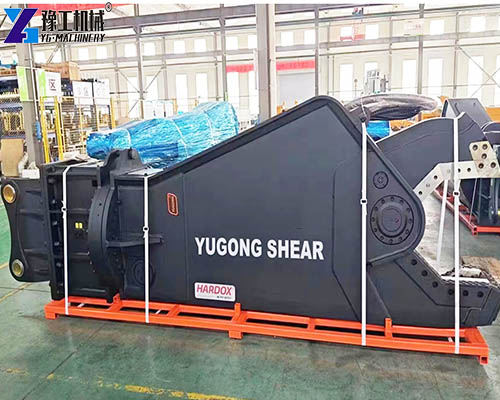
Avoid these errors—they cost time, money, and productivity.
Mistake 1: Underestimating the Excavator Requirement
A 2100kg shear on a 13-ton excavator strains the machine. The excavator tips, the hydraulic system overheats, and you work slower to compensate.
Check both arm and boom tonnage. If your machine doesn’t meet the arm tonnage, check the boom tonnage. The boom number is lower—you might still be able to run it.
But be realistic: Mounting on the boom reduces reach and requires careful counterweight management.
Mistake 2: Ignoring Opening vs. Material Size
Structural steel comes in various sizes. A 485mm opening can’t grip a 600mm beam.
Know your material. Measure the largest steel you process. Choose the opening accordingly.
Mistake 3: Overlooking Cutting Depth
Opening width is important—but cutting depth is critical. Shallow depth means you can’t reach through thick material.
Opening × depth × force — all three determine what you can cut.
Mistake 4: Forgetting About Rotation Flow
The shear rotates 360° for positioning. Rotation flow is a separate hydraulic circuit. If your excavator doesn’t have enough flow, rotation is slow or incomplete.
Check rotation flow against your excavator. Don’t assume it’s included in the main working flow.
Mistake 5: Buying Without Spare Blade Support
Blades wear. If your supplier doesn’t stock them, you wait weeks for international shipping.
Ask about blade availability. Cost, lead time, and how many you should keep in stock.
Find The Right Solution For Your Job
YG Excavator Eagle Shear Four Advantages
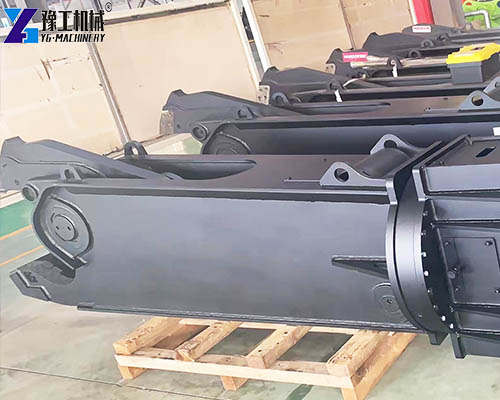
The hydraulic shear for excavator design offers practical benefits over straight-jaw shears:
- Better material grip — the curved upper jaw wraps around the material, holding it steady during the cut
- Cleaner cuts — the shear force is focused on a smaller cutting area, reducing deformation
- Less jamming — the open design allows cut material to fall away easily
- Wider application — works on beams, pipe, rebar, vehicle frames, and mixed scrap
Get Your Project‑Specific Quote
YG Hydraulic Shears For Excavator Service Package
Overseas buyers get full support from selection to operation.
- Excavator matching. Tell us your excavator model, tonnage, and hydraulic spec. We confirm the correct shear—no over- or undersizing.
- Custom mounting plate. We match the shear to your excavator brand.
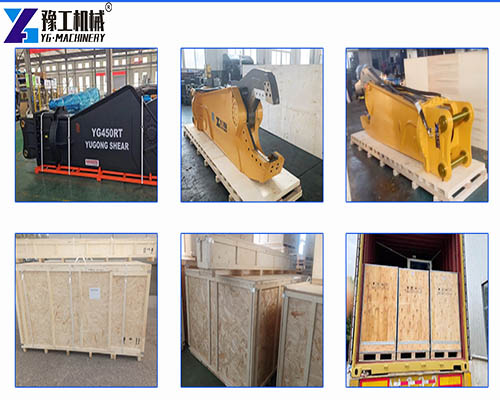
- Export documentation. Full customs compliance, commercial invoice, packing list.
- Factory testing. Each shear is pressure-tested and cycle-tested before shipping.
- Remote installation support. Guidance for fitting and hose connection.
- Spare parts availability. Blades, pivot pins, cylinder seals, hoses—stocked and ready.
- Warranty coverage. One year on structural defects, with ongoing technical support.
Final Takeaway
Hydraulic shear for excavator is a serious investment. Choose the wrong excavator match and it’s unstable or underpowered. Choose the wrong jaw opening and you can’t process your largest material. Choose the wrong build quality and you’re repairing more than you’re cutting.
The right shear matches your excavator tonnage, opens wide enough for your typical scrap or structural steel, and is built to handle daily processing abuse. The eagle design gives you better grip, cleaner cuts, and wider application.
We build exactly that. No shortcuts. No mismatched specs. Just solid equipment from a supplier who supports you after delivery.
Need the right hydraulic shear for your excavator?
Tell us:
- Excavator model, tonnage, and hydraulic flow
- What steel types process
- Typical material dimensions (opening required)
- We’ll recommend the right model—no upsell, just the correct fit.
Grip, shear, size. Process more steel. Move to the next pile.